

Key Points
- Geothermal heating systems use the earth’s stable underground temperature — 50–55°F year-round in Western Pennsylvania — to heat and cool your home at 3–5 times the efficiency of conventional HVAC systems.
- According to the U.S. Department of Energy, geothermal heat pumps are the most energy-efficient heating and cooling systems available — reducing energy consumption by 25–50% compared to traditional systems.
- The federal Inflation Reduction Act extends a 30% tax credit for qualifying geothermal heat pump installations — significantly reducing the upfront investment for Canonsburg and Washington County homeowners.
- Geothermal systems last significantly longer than conventional HVAC — indoor components typically last 25 years, ground loops 50+ years — making the total cost of ownership far lower than repeated furnace and AC replacements.
- Canonsburg’s mix of rural and suburban properties with available yard space is well-suited to horizontal loop installations — the most common and cost-effective configuration for residential geothermal in Western PA.
- Geothermal systems produce zero on-site combustion emissions — no carbon monoxide risk, no gas line dependency, and significantly lower carbon footprint than gas or oil heating.
- Contact DiPaola Quality Climate Control for expert geothermal heat pump installation throughout Canonsburg and Western Pennsylvania.
If you’re looking for a smart long-term investment in your Canonsburg, PA home’s comfort and energy efficiency, geothermal heating deserves serious consideration. Unlike conventional systems that generate heat by burning fuel or using electric resistance, geothermal heat pumps move heat that already exists — harvesting stable underground temperatures to deliver remarkable efficiency year-round.
Understanding how these systems work, what they cost, and what they offer over time can help you make the right decision for your home, your budget, and your family’s comfort.
How Geothermal Heating Works
Geothermal heating systems harness the earth’s natural, stable temperatures to heat and cool your home. Below the frost line — typically four to six feet down in Western Pennsylvania — ground temperatures remain consistently between 50°F and 55°F regardless of how cold the surface gets in January or how hot it gets in August.
The system uses a series of pipes, called a ground loop, buried in your yard. A water and antifreeze solution circulates through these pipes, absorbing heat from the earth in winter and releasing heat into the earth in summer. This fluid carries the harvested energy into the home, where a heat pump concentrates and transfers it to your living spaces via your existing ductwork or a hydronic system.
This process is fundamentally different from gas or oil heating. Rather than generating heat through combustion, a geothermal system moves existing heat — which is far more efficient. For every unit of electricity used to run the pump, a geothermal system delivers three to five units of heating or cooling energy in return.
The three main ground loop configurations:
- Horizontal loops — buried in trenches 4–6 feet deep across a large yard area; the most cost-effective option for Canonsburg properties with adequate outdoor space; requires roughly 400–600 feet of pipe per ton of system capacity
- Vertical loops — drilled 150–400 feet deep in smaller footprint boreholes; ideal for properties with limited yard space or rocky terrain; typically more expensive to install but requires less surface area
- Pond/lake loops — submerged in a nearby body of water; highly efficient and lowest cost when a suitable water body is available; less common in residential applications
Understanding which loop configuration suits your Canonsburg property is part of DiPaola’s site assessment process for every geothermal installation.
Energy Efficiency Advantages
One of the standout features of geothermal heating is its exceptional energy efficiency — and the direct impact this has on your monthly utility bills.
Geothermal heat pumps achieve efficiency ratings of 300–500% — meaning for every dollar of electricity used to run the system, three to five dollars of heating or cooling energy are delivered to your home. Compare this to a high-efficiency gas furnace at roughly 95–98% efficiency, and the difference becomes clear.
In practical terms, Canonsburg homeowners who switch from gas or oil heating to geothermal typically see heating costs reduced by 30–60% depending on the previous system’s efficiency and the home’s insulation level. Cooling costs see similar reductions compared to traditional central air conditioning.
Why Western Pennsylvania’s climate is well-matched to geothermal: Pittsburgh-area winters are cold and extended — exactly the conditions where the efficiency advantage of geothermal over conventional heating is most pronounced. A gas furnace working against January temperatures below 10°F still produces roughly the same BTUs per unit of gas as in milder weather. A geothermal system, drawing from 52°F ground temperature even when it’s 8°F outside, maintains its efficiency advantage through the coldest stretches of a Western PA winter — unlike air-source heat pumps, which lose efficiency as outdoor temperatures drop.
Environmental Benefits
For Canonsburg homeowners who care about both their energy bills and their environmental impact, geothermal heating offers the most significant reduction in carbon footprint available from a residential HVAC system.
Geothermal systems produce no on-site combustion emissions — there’s no burning of natural gas, propane, or oil, and therefore no carbon monoxide production inside your home. The only energy consumption is electricity to run the compressor and pump, which can be partially or fully offset by solar panels if installed.
According to the EPA, geothermal heat pumps can reduce energy consumption and corresponding emissions by up to 44% compared to air-source heat pumps and up to 72% compared to electric resistance heating.
The carbon monoxide safety advantage: Homes with gas furnaces require working CO detectors and annual heat exchanger inspections to guard against carbon monoxide leaks — a genuine safety risk in older Washington County homes with aging furnaces. A geothermal system eliminates this risk entirely. No combustion, no CO. For families with young children, elderly members, or anyone with respiratory concerns, this safety benefit has real value beyond the energy savings.
Cost Savings Over Time
The upfront cost of geothermal installation is higher than a conventional furnace or heat pump — but the long-term financial picture is compelling for most Canonsburg homeowners.
Incentives that reduce upfront cost:
- Federal Investment Tax Credit (ITC) — the Inflation Reduction Act extended the 30% federal tax credit for qualifying geothermal heat pump systems; this directly reduces your tax liability dollar for dollar
- Pennsylvania rebate programs — check with your utility provider and the Pennsylvania Department of Environmental Protection for current rebate programs for high-efficiency HVAC installations
- Reduced operating costs — lower monthly energy bills begin immediately after installation, with typical savings of 30–60% on heating and cooling costs
Long-term cost of ownership:
Factor | Conventional System | Geothermal System |
Typical installation cost | $5,000–$15,000 | $15,000–$30,000+ |
Federal tax credit | Minimal | 30% of total cost |
Average lifespan (indoor) | 15–20 years | 25+ years |
Ground loop lifespan | N/A | 50+ years |
Annual maintenance cost | Moderate | Low |
Monthly operating cost | Higher | 30–60% lower |
When you factor in the tax credit, extended system lifespan, and reduced monthly operating costs, many Canonsburg homeowners find geothermal achieves a positive return on investment within 7–12 years — with decades of lower operating costs remaining after that.
Increased Home Comfort
Beyond energy savings, geothermal systems deliver a different quality of comfort that homeowners often notice immediately.
Because geothermal systems operate at lower, more consistent temperature differentials than combustion-based heating, they tend to produce more even, steady warmth throughout the home rather than the temperature swings associated with a gas furnace cycling on and off. The system runs longer at lower intensity — fewer dramatic temperature fluctuations and more consistent comfort from room to room.
Geothermal systems also maintain excellent humidity control in both heating and cooling modes. In Western Pennsylvania’s humid summers, the dehumidification performance is particularly valuable. And in winter, unlike forced-air gas systems that can dry indoor air significantly, geothermal heating maintains more balanced indoor humidity without requiring a separate humidifier.
If you’re concerned about indoor air quality, pairing your geothermal system with HVAC maintenance and filtration upgrades ensures your home stays comfortable and healthy year-round.
Durability and Low Maintenance
Geothermal systems are among the most durable HVAC investments a homeowner can make. The ground loop — once installed — typically carries a 50-year lifespan. The indoor heat pump components are projected to last 25 years or more with proper maintenance. Compare this to the 15–20 year lifespan of a typical gas furnace or central AC system, and the long-term value becomes clear.
Because the most critical component — the ground loop — is buried underground and protected from weather, UV exposure, and physical damage, it requires virtually no maintenance once installed. The indoor components require annual professional inspection, similar to a conventional HVAC system, but with fewer wear parts and no combustion components to service.
For Canonsburg homeowners who’ve dealt with repeated furnace repairs or early AC failures, the reliability of a properly installed geothermal system offers a genuinely different ownership experience.
Key Takeaways
Geothermal heating is the most energy-efficient residential HVAC option available — delivering 300–500% efficiency compared to a gas furnace’s 95–98%. For Canonsburg and Washington County homeowners, Western Pennsylvania’s stable 50–55°F ground temperatures make geothermal particularly effective even through the coldest winter stretches. The 30% federal tax credit from the Inflation Reduction Act significantly reduces the upfront investment. Ground loops last 50+ years; indoor components 25+ years — making total cost of ownership lower than repeated conventional system replacements across the same timeframe. Geothermal eliminates on-site combustion, removing carbon monoxide risk entirely and reducing emissions by up to 44% vs. air-source heat pumps. Most Canonsburg homeowners achieve positive ROI within 7–12 years through energy savings alone. Contact DiPaola Quality Climate Control for expert geothermal heat pump installation and consultation throughout Canonsburg and Western Pennsylvania.
Conclusion
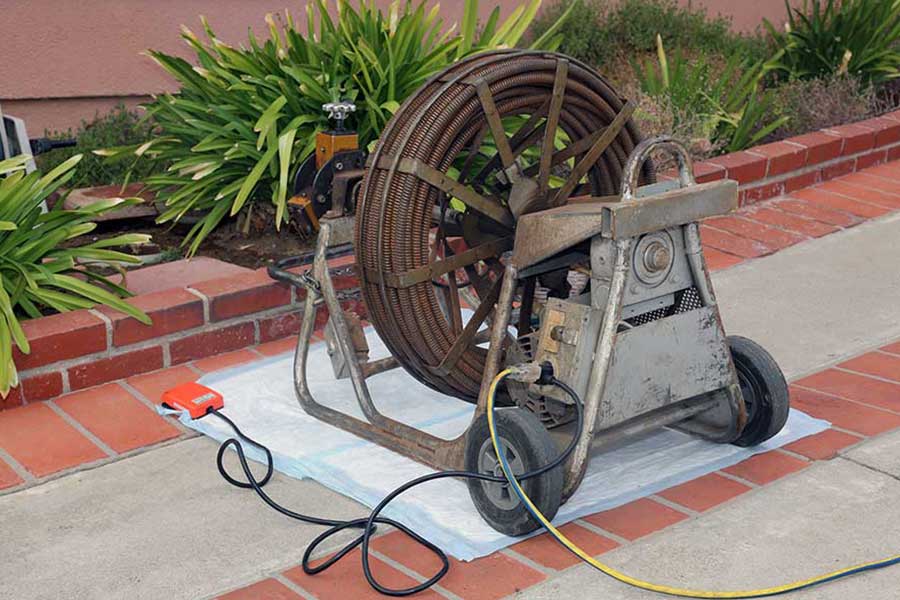
In Belle Vernon, MA, scheduling professional drain cleaning is like giving your plumbing system a much-needed tune-up. It saves you from costly repairs, boosts drainage efficiency, and keeps those nasty odors at bay. By reducing the risk of clogs and extending your system’s lifespan, you’re not just investing in your home—you’re creating a healthier environment for your family. Don’t wait for trouble to strike; make drain cleaning a priority and keep your plumbing running smoothly.