
Imagine waking up to a lukewarm shower when you expect hot water; that’s a frustrating start to your day. This inconsistency could be the first sign your water heater is in trouble. There are several other indicators you should watch for that might signal the need for repair. Understanding these signs can save you from costly replacements and uncomfortable situations down the line.
Inconsistent Water Temperature
Have you noticed that your water temperature fluctuates unexpectedly? This inconsistency can be more than just a minor inconvenience; it might signal a problem with your water heater.
You might experience scalding hot water one moment and lukewarm water the next. Such fluctuations can occur because of sediment buildup in the tank, a failing thermostat, or a malfunctioning heating element.
Ignoring these signs can lead to further damage and costly repairs down the line. If you rely on consistent hot water for daily activities, it’s crucial to address these issues quickly. Timely action is essential for maintaining water heater functionality.
You deserve a reliable water heater that meets your family’s needs without surprises.
Unusual Noises Coming From the Heater
If you’re hearing unusual noises coming from your water heater, it’s time to pay attention.
These sounds can indicate potential issues that might need immediate attention.
Let’s investigate the types of noises you might hear and what could be causing them. A new water heater can significantly improve energy efficiency, which may help reduce your utility bills.
Types of Unusual Noises
What’s that strange noise coming from your water heater? If you’ve been hearing unusual sounds, it’s time to pay attention.
These noises can indicate underlying issues that need addressing. Here are four types of sounds you might encounter:
- Banging: Like a drum, this noise could mean loose parts or sediment buildup.
- Hissing: A soft hiss might suggest a leak or pressure issue.
- Popping: Similar to popcorn, it often indicates overheating or sediment boiling.
- Gurgling: This sound can imply air bubbles trapped in the system, potentially signaling a malfunction.
If you recognize any of these noises, don’t ignore them! It’s best to consult a professional to guarantee your water heater remains in top shape.
Potential Causes Explained
Unusual noises from your water heater can stem from various causes that signal potential problems.
If you hear popping or rumbling sounds, sediment buildup in the tank might be the culprit. This can lead to inefficient heating and even damage.
A hissing noise could mean a leak, which requires immediate attention to prevent water damage.
Furthermore, if you hear a high-pitched whistling sound, it might indicate pressure buildup, signaling a malfunctioning valve.
Finally, a banging noise, often referred to as “water hammer,” can occur as a result of sudden changes in water flow.
If you’re experiencing any of these sounds, it’s time to consult Dipaola Quality Climate Control for expert diagnosis and repair to guarantee your water heater functions smoothly.
Water Discoloration
If you notice rusty or cloudy water coming from your taps, it’s a sign your water heater might need attention. This discoloration can likewise come with an unpleasant odor, indicating potential issues with your tank. Don’t ignore these warning signs; addressing them early can save you from bigger problems down the line. Additionally, tankless water heaters provide cleaner, safer hot water, which can mitigate such issues.
Rusty Water Appearance
Noticing rusty water flowing from your taps can be alarming, and it’s often a sign that your water heater needs attention.
Rusty water typically indicates corrosion within the tank or pipes, which can lead to bigger issues if ignored. Here are some possible causes to evaluate:
- Corroded Anode Rod—This rod helps prevent tank corrosion; if it’s worn out, rust can spread.
- Sediment Buildup—Mineral deposits can corrode the tank’s interior, causing rust.
- Old Pipes—Rusty pipes can leach contaminants into your water supply.
- Water Heater Age—If your unit is more than 10 years old, it may be time for replacement.
If you notice rusty water, don’t hesitate to reach out for professional help!
Cloudy or Murky Water
Cloudy or murky water can be just as concerning as rusty water, signaling potential issues with your water heater. If you notice this discoloration, it’s time to take action.
This problem often arises from sediment buildup in the tank or corrosion of the heating elements. When sediment settles, it can disrupt the normal flow of water, leading to a cloudy appearance.
You might likewise find that the water tastes odd or feels gritty, which isn’t ideal for your daily use. Ignoring these signs can lead to more severe plumbing issues down the line.
Contact a professional immediately to diagnose and resolve the problem, ensuring your water heater runs efficiently and your water stays clean and clear.
Unpleasant Odor Emission
A strong, unpleasant odor coming from your hot water can be a troubling sign that something’s wrong with your water heater.
This issue often signals the presence of bacteria or sediment buildup. Here are a few things to take into account:
- Rotten Egg Smell: This odor might indicate hydrogen sulfide gas, often caused by bacteria in your tank.
- Metallic Scent: A metallic smell could suggest corroding pipes or components.
- Chemical Fumes: If you detect a chemical odor, it may point to a gas leak or other serious issues.
- Stale or Musty Odor: Often linked to stagnant water and bacteria growth in the tank.
If you notice any of these smells, it’s crucial to contact a professional to address the problem promptly.
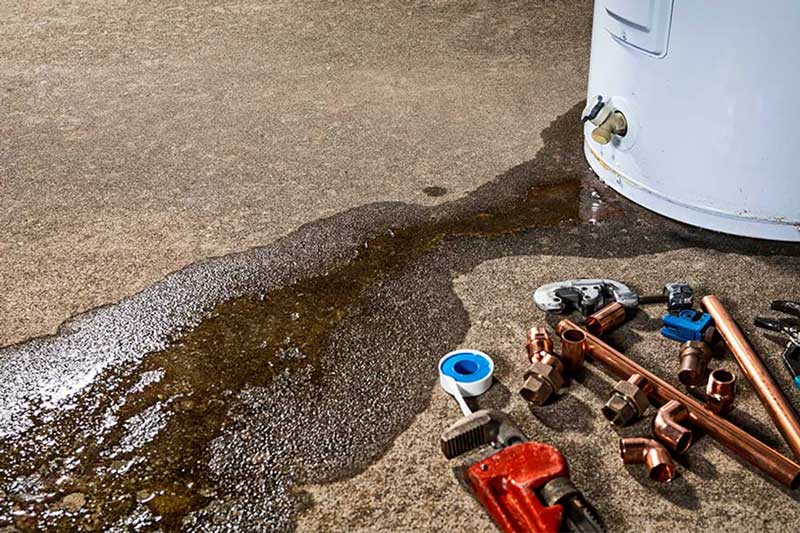
Leaks or Puddles Around the Unit
Finding leaks or puddles around your water heater can be a cause for concern. These signs often indicate that there’s a problem with the unit, such as a faulty valve or a corroded tank.
If you notice water pooling beneath your heater, it’s crucial to act quickly. Ignoring these leaks can lead to more significant damage, not just to your water heater but also to your home’s flooring and structure.
You should regularly inspect the area around the heater for moisture. If you see any leaks, turn off the power and water supply to the unit immediately to prevent further issues.
Don’t hesitate to call a professional, like Dipaola Quality Climate Control, for a thorough inspection and repair. Remember, addressing leaks promptly can save you money and hassle in the long run, ensuring your water heater operates efficiently and safely. Early leak detection prevents structural damage and costly repairs.
A Sulfur Smell or Foul Odor
If you detect a sulfur smell or foul odor coming from your water heater, it’s a warning sign that shouldn’t be ignored. This unpleasant scent often indicates the presence of bacteria in your tank, which can lead to serious issues if left unaddressed.
Here’s what you might experience:
- A rotten egg smell that lingers in your home.
- Discoloration in your water, indicating contaminants.
- Unusual noises from the heater, like popping or rumbling.
- A decrease in hot water supply, impacting your daily routine.
These signs could mean it’s time for a thorough inspection and possible repair.
Don’t let foul odors compromise your comfort and health. Reach out to a professional for help to guarantee your water heater functions properly and safely.
At Dipaola Quality Climate Control, we’re here to assist you with expert care and transparent service.
Increased Energy Bills
Noticing a spike in your energy bills can be a clear sign that your water heater isn’t operating efficiently.
When your water heater struggles, it often uses more energy to maintain the same level of performance. You might find that it runs longer or works harder to heat water, leading to those rising costs.
It’s important to keep an eye on your monthly expenses; if you see a significant increase without any changes in your usage habits, your water heater could be the culprit.
Ignoring this issue can lead to even higher bills over time, alongside potential water damage if the heater ultimately fails.
If you suspect your water heater is to blame, it’s wise to consult a professional. Dipaola Quality Climate Control can provide expert diagnostics and repairs to help restore your water heater’s efficiency, saving you money in the long run.
Don’t let high energy bills drain your budget.
Age of the Water Heater
Most water heaters have a lifespan of about 8 to 12 years.
If yours is approaching this age, it’s time to pay attention. An aging water heater can lead to unexpected issues, so keep an eye out for these signs:
- Rusty water: If you notice brown or rusty water when you turn on the hot tap, it’s a sign of corrosion inside the tank.
- Unusual noises: Banging, popping, or rumbling sounds can indicate sediment buildup, which may compromise the unit’s efficiency.
- Inconsistent temperature: If your hot water fluctuates between hot and cold, it suggests the heating element is failing.
- Leaks: Any visible leaks around the tank can quickly escalate to a significant problem.
If your water heater is nearing the end of its lifespan, consider contacting Dipaola Quality Climate Control for a professional assessment and potential repair or replacement.

Conclusion
Don’t wait until it’s too late to address potential issues with your water heater. By keeping an eye out for these warning signs, you can catch problems early and save yourself from bigger headaches down the line. Remember, a stitch in time saves nine! Regular maintenance and timely repairs will guarantee your water heater runs efficiently, helping you avoid costly repairs and prolonging its lifespan. Stay proactive, and your hot water will keep flowing smoothly in New Eagle, PA.