
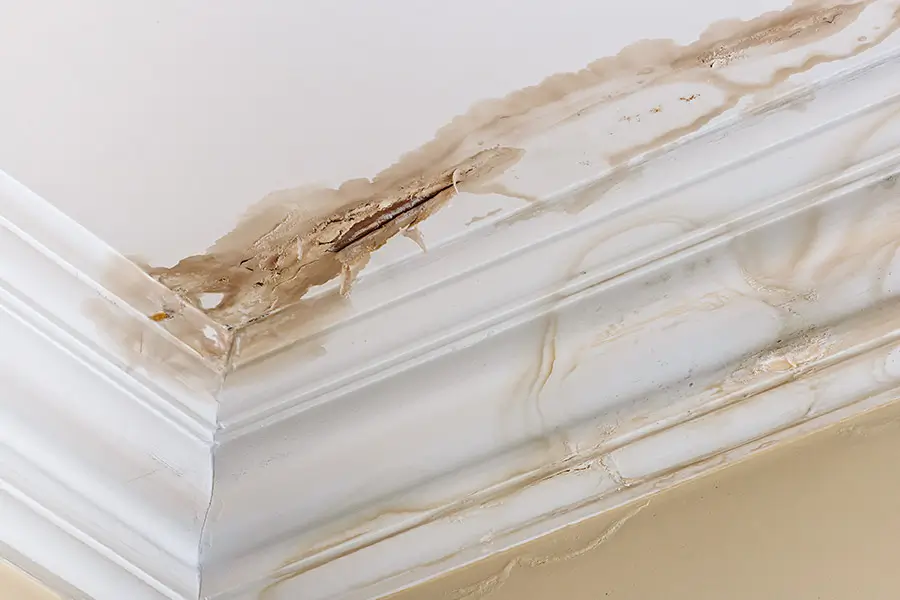
Imagine a leaky faucet as a small but relentless drumbeat in the symphony of your home’s plumbing system. You’re probably wondering how to stop that incessant drip before it becomes more serious. Quick fixes are essential; knowing the proper steps can save time and money. But which tools should you have on hand, and how do you effectively tackle a burst pipe or leaking toilet? Learn to navigate these challenges easily and discover when it’s time to call the experts for a lasting solution.
Identifying Common Leak Sources
When identifying common leak sources, start by inspecting areas such as under sinks, around toilets, and near water heaters where connections and seals often fail. You’ll want to look closely at pipe joints and fittings, as these are frequent culprits in leak scenarios. Check for moisture or water pooling around these areas; even minor dampness can indicate a developing issue.
In bathrooms, carefully examine the base of toilets; loose bolts or degrading wax rings can cause significant leaks. Similarly, inspect showerheads and faucets for drips or water stains on surrounding walls, which might suggest worn-out washers or damaged O-rings. Don’t overlook the space behind appliances like washing machines and dishwashers, as hidden leaks can lead to extensive water damage if not promptly dealt with.
When checking these locations, use a flashlight to illuminate dark or hard-to-see spots and verify you’re not missing subtle signs of trouble. Listening to the sound of running water when fixtures are off can also be a helpful indicator. Regularly monitoring these potential leak points lets you catch and address issues early, helping to prevent more extensive and costly repairs later on.
Essential Tools for Quick Repairs
To tackle emergency plumbing repairs efficiently, you’ll need a well-equipped toolkit featuring essentials like pipe wrenches, Teflon tape, and a multi-bit screwdriver. A pipe wrench provides the grip and leverage necessary to loosen or tighten pipe fittings, enabling swift removal or installation. Keep both 10-inch and 14-inch sizes handy to accommodate various pipe diameters. Teflon tape, also known as plumber’s tape, is essential for sealing threaded connections, reducing the chance of leaks. Wrap it around threads three times for best sealing.
A multi-bit screwdriver offers versatility, allowing you to switch bits for different screw types encountered in plumbing fixtures. Include a basin wrench in your kit for hard-to-reach nuts under sinks. Its pivoting jaw and long handle provide access to otherwise inaccessible areas. A pair of slip-joint pliers will help you grip and twist objects, while adjustable pliers can tackle larger fittings.
Have a hacksaw ready for cutting through metal or plastic pipes and a utility knife for trimming. Don’t forget a plumber’s putty or epoxy putty for sealing small leaks temporarily. Finally, a flashlight guarantees you see clearly in dimly lit spaces. With these tools, you’ll be prepared for most plumbing emergencies.
Temporary Fixes for Burst Pipes
In the event of a burst pipe, swiftly shut off the main water supply to minimize damage and prepare to apply a temporary fix. First, assess the damage and identify the burst section. You’ll need to quickly gather materials like pipe repair clamps, rubber sheets, and hose clamps. These items can effectively seal the break until professional help arrives.
Start by wrapping a rubber sheet or gasket around the burst area. This provides an immediate barrier against water leakage. Secure it firmly with a pipe repair clamp. This clamp should be tightly fastened to guarantee the seal is strong and resistant to pressure changes. If a pipe repair clamp isn’t available, use a hose clamp as an alternative. Verify these are tight enough to stop the water but not so tight that they further damage the pipe.
Another effective method involves using epoxy putty. Moldable and versatile, epoxy putty can be applied directly to the leak. Follow the manufacturer’s instructions for curing time and application. Remember, these measures are temporary. They buy you time and prevent further damage until a licensed plumber can provide a permanent solution. Your quick actions can considerably reduce water damage and inconvenience for others.
Stopping a Dripping Faucet
A dripping faucet wastes water and can often be fixed by replacing a worn-out washer or O-ring. Begin by turning off the faucet’s water supply. You’ll usually find the shut-off valve under the sink. Turn it clockwise to stop the water flow. Next, plug the sink drain to prevent small parts from being lost.
Remove the faucet handle. Use a flathead screwdriver to gently pry off the decorative cap and unscrew the handle screw. Lift the handle off to reveal the valve stem. Use an adjustable wrench to loosen and remove the packing nut. Carefully twist and pull the stem out of the faucet body.
Inspect the washer or O-ring at the base of the stem. If it’s worn or damaged, replace it. Confirm the replacement washer or O-ring exactly matches the original size. Reassemble the faucet by reversing the disassembly steps. Tighten the packing nut securely, but avoid overtightening.
Turn the water supply back on and test the faucet. If the dripping persists, you may need to check for additional internal component issues. Addressing this straightforward repair will conserve water and restore peace to your home.
Repairing a Leaking Toilet
Addressing a leaking toilet promptly can prevent water damage and reduce your water bill, so start by identifying the source of the leak, whether it’s the tank, bowl, or base. Inspect the tank for any cracks or worn-out components. The leak at the base might be due to a loose or damaged wax ring. To effectively tackle the issue, follow these steps:
- Check the Flapper Valve: Lift the toilet tank lid and inspect the flapper. If it’s worn or not sealing properly, water will continuously leak into the bowl, requiring replacement.
- Tighten Tank Bolts: If the leak emanates from where the tank meets the bowl, the bolts connecting them may need tightening. Use an adjustable wrench, but do not overtighten and crack the porcelain.
- Inspect the Fill Valve: If the tank’s water level is too high, adjust the fill valve to lower it. This prevents water from spilling into the overflow tube.
Once you’ve identified and tackled the cause, verify all parts are securely fastened and check for any persistent leaks. Tending to these issues with precision reflects your commitment to serving others’ plumbing needs efficiently.
Sealing Pipe Joints
For a secure and leak-free plumbing system, ensure all pipe joints are sealed properly using the right materials and techniques. Start by identifying the type of piping in your system—copper, PVC, or galvanized steel—as this dictates the sealing method. For threaded joints, apply Teflon tape or pipe joint compound liberally. Wrap Teflon tape clockwise around the joint’s threads three to four times, ensuring a snug fit without over-tightening, which could damage threads.
For PVC joints, use a suitable primer and solvent cement. First, clean the pipe and fitting surfaces, then apply primer to soften the PVC. Quickly apply a uniform layer of solvent cement to both surfaces. Push the pipe into the fitting, twisting slightly for a firm bond. Hold for 30 seconds to allow initial setting.
Copper joints require soldering. Clean the pipe and fitting with an emery cloth and apply flux to prevent oxidation. Heat the joint with a torch until the solder melts and flows into it, creating a watertight seal. Cool the joint naturally, avoiding water exposure during this period. By meticulously sealing each joint, you ascertain reliable service, prevent future leaks, and serve those dependent on your plumbing expertise.
Handling Water Heater Leaks
When dealing with water heater leaks, first shut off the power supply and water inlet to prevent further damage and confirm safety. This vital step guarantees you can work without electrical shock or flooding. Once the power and water are off, inspect the heater to identify the source of the leak. Typically, leaks originate from a few common areas:
- Temperature and Pressure Relief Valve: If water is dripping from this valve, it might be due to high pressure or temperature. Test the valve by lifting its handle; if water leaks after releasing it, consider replacing it.
- Inlet and Outlet Connections: Check these connections for any signs of moisture. Tighten loose fittings with a wrench, ensuring not to overtighten, which can damage the threads.
- Tank Corrosion: Look for rust or damp areas on the tank’s exterior. Unfortunately, corrosion indicates the tank might need replacement, as patching won’t suffice.
After addressing the leak, slowly turn the water supply back on and monitor for further leaks. If the issue persists, it may require professional intervention. Taking these steps confirms that you can handle the situation effectively, minimize disruption, and serve others by maintaining a functional household.
Managing Outdoor Leak Issues
To manage outdoor leak issues effectively, locate the main water shut-off valve and turn it off immediately to prevent further water wastage and potential property damage. This is essential in controlling the situation and minimizing complications. Next, visually inspect the area where the leak is occurring. Pay attention to exposed pipes, garden hoses, and outdoor faucets, which are common sources of leaks. Look for visible cracks, loose fittings, or wet areas that suggest a problem.
Once you’ve identified the source, use a pipe repair clamp for a temporary fix. This tool is practical for sealing cracks in metal or plastic pipes. Confirm the clamp is tight and well-positioned to prevent leakage. For hose leaks, replace washers or tighten connections using pliers.
If the leak persists, trace the pipe to the nearest joint or connection. Sometimes, leaks originate from worn-out sealing tape or corroded joints. In such cases, the plumber’s tape is applied to threads for a tighter seal or faulty components are replaced entirely.
Preventing Future Plumbing Leaks
Installing pressure regulators and routinely inspecting your plumbing system can significantly reduce the likelihood of future leaks by maintaining ideal water pressure and identifying wear before it becomes a problem. Start by checking the water pressure in your home with a pressure gauge. Ideal pressure typically ranges from 40 to 60 psi. If it exceeds this range, a pressure regulator can help you adjust it to prevent stress on pipes and joints.
Make a habit of monthly inspections. Look for signs of corrosion, mineral buildup, or moisture, indicating potential leaks. Address these issues promptly to avoid more significant problems. Installing water softeners can also reduce mineral buildup, especially in areas with hard water.
Consider the following practical steps to safeguard your plumbing:
- Insulate exposed pipes: Prevents freezing and bursting in colder climates.
- Install water alarms: Alerts you to leaks in hidden areas like basements or under sinks.
- Replace old fixtures: Modern fixtures are often more efficient and less prone to leaks.
When to Call a Professional
Engage a professional plumber when you encounter persistent leaks, significant drops in water pressure, or complex issues like sewer line blockages that require specialized tools and expertise. Persistent leaks indicate deeper plumbing problems that need a trained eye to diagnose accurately. Professional plumbers possess advanced equipment, such as leak detection sensors and high-resolution cameras, to identify and resolve issues efficiently.
Significant water pressure drops could signal a central obstruction or pipe damage. Addressing these requires precision and experience to guarantee the integrity of your plumbing system. Sewer line blockages, often caused by tree roots or accumulated debris, can lead to extensive damage if not managed promptly. Professionals can use hydro-jetting or trenchless repair methods to restore your system without extensive excavation.
It’s essential to recognize your limits in emergency situations. While you intend to help, tackling these complex problems without proper knowledge might worsen them. Rely on experts who are dedicated to serving others and providing long-term solutions. They provide peace of mind by delivering quality work supported by warranties and industry standards. In urgent scenarios, calling a professional guarantees safety, efficiency, and reliability.

Conclusion
So, you’ve mastered the art of emergency plumbing, haven’t you? With your trusty pipe wrench and Teflon tape, you’re practically a plumbing superhero. Sure, you might temporarily fix that geyser in your bathroom or silence the symphony of drips from your faucet, but remember, even superheroes need help. When your plumbing knowledge runs dry, don’t hesitate to call in the professionals. After all, even Batman had Alfred, right?