
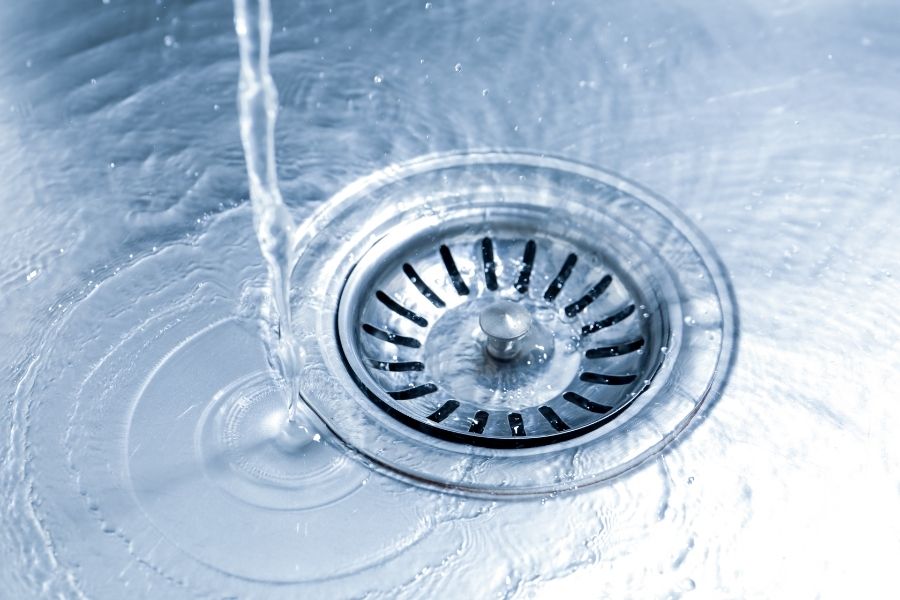
Slow drains are one of the most common plumbing complaints we hear from homeowners throughout Pittsburgh, PA. From the older rowhouses in Lawrenceville and the South Side to the newer builds near the North Shore, every home is vulnerable to the same core culprits: hair buildup, grease accumulation, and in some neighborhoods, tree root intrusion into aging sewer lines. At Dipaola Quality Climate Control Heating, AC, & Plumbing Repair, we see these issues regularly across the Pittsburgh metro area, and the good news is that most of them are entirely preventable with the right habits and timely professional attention.
Common Causes of Slow Drains in Pittsburgh Homes
When it comes to slow drains in Pittsburgh homes, a few familiar causes keep popping up on our service calls. Hair, soap scum, and food particles gradually accumulate in drainpipes, narrowing the passageway until water can barely move through. Grease is another major offender. Homeowners often assume it is safe to pour cooking grease down the kitchen sink, but as it cools, it can solidify into a sticky coating that traps everything else that follows.
Pittsburgh’s heavily wooded residential areas, including neighborhoods like Squirrel Hill and Mount Lebanon, also present a specific challenge: tree root intrusion. Roots naturally seek out moisture, and a small crack in an older sewer line is all the invitation they need. Once inside, roots spread and expand, blocking the flow and eventually causing serious structural damage to the pipe.
Older plumbing systems are another unique factor in Pittsburgh’s housing stock. Many homes in the area were built in the mid-twentieth century or earlier, and the pipes simply were not designed for the volume or variety of materials that flow through them today. Professional drain cleaning services from Dipaola Quality Climate Control Heating, AC, & Plumbing Repair can restore optimal flow, clear existing buildup, and help prevent the kind of buildup that can escalate into a major repair.
Identifying Early Signs of Drain Clogs
Catching a clog early is far less disruptive and far less expensive than dealing with a full blockage or a backed-up drain. Working in homes across Pittsburgh, the team at Dipaola Quality Climate Control Heating, AC, & Plumbing Repair has learned to recognize the warning signs that homeowners often dismiss until the problem gets worse.
Slow drainage in a sink, shower, or tub is the most obvious early signal. Water pooling around your feet during a shower, or sitting in the sink for several minutes after you finish washing dishes, are both signs that something is restricting the flow inside the pipe. Gurgling sounds when water drains are also worth noting, as they typically indicate that air is trapped behind a developing blockage. Unpleasant odors rising from a drain can indicate stagnant water trapped by a partial clog or organic matter beginning to decompose inside the pipe. And if you are reaching for the plunger more often than you used to, or if multiple fixtures seem to back up at the same time, that pattern almost always signals a deeper issue within the drain system rather than an isolated surface-level clog.
Detecting these early warning signs allows homeowners to call a professional before the situation escalates, avoiding the kind of emergency service call that no one wants to deal with on a Friday evening.
Preventing Clogs: What Homeowners Should Know
Addressing early warning signs is important, but prevention is always the more cost-effective approach. Based on what we see in Pittsburgh properties regularly, a few consistent habits make a meaningful difference in how well a home’s drain system holds up over time.
In the kitchen, the most impactful change a homeowner can make is keeping grease, cooking oils, coffee grounds, and food scraps out of the sink drain entirely. These materials contribute to some of the most stubborn clogs we encounter, particularly in older homes where pipes have already accumulated years of buildup along the walls. A simple strainer catches most solid debris and empties in only seconds.
In bathrooms, hair is the primary culprit. A drain cover or hair catcher in the shower and tub can dramatically reduce the frequency of bathroom clogs. Soap residue compounds the problem by binding to hair, creating a dense, sticky mass that is difficult to remove without professional tools.
Flushing drains periodically with hot water can help move minor buildup along before it has a chance to solidify. For a more thorough at-home maintenance step, a mixture of hot water and dish soap can help cut through light grease accumulation in kitchen drains.
Routine professional water leak detection and plumbing inspections from Dipaola Quality Climate Control Heating, AC, & Plumbing Repair are also an important part of a comprehensive prevention strategy. A trained plumber can identify weak points, early-stage buildup, and developing root intrusion before they turn into costly emergencies. Scheduling regular maintenance keeps your plumbing system running efficiently and gives you confidence that nothing is quietly deteriorating beneath the surface.
When to Call a Professional for Drain Problems
There is a clear point at which a drain problem moves beyond what any homeowner should attempt to handle on their own. In our service calls throughout Pittsburgh, we regularly respond to situations that could have been resolved much more easily if the homeowner had called sooner rather than continuing to work around the issue.
Persistent slow drainage that returns after plunging is one of the clearest signs that the blockage is located deeper in the line than a plunger can reach. Water backing up in multiple fixtures at once, such as water appearing in the bathtub when the washing machine drains, almost always indicates a mainline issue that requires professional equipment to address properly. Foul odors that persist even after cleaning the drain opening can point to waste trapped in a section of pipe, which a homeowner cannot safely or effectively resolve without the right tools.
Store-bought drain-cleaning chemicals may provide temporary relief, but they are often harsh on older pipes and rarely address the underlying cause of recurring blockages. Continued reliance on chemical drain cleaners can actually accelerate pipe deterioration over time, particularly in Pittsburgh’s older housing stock, where cast iron and galvanized pipes are still common.
When these symptoms appear, the right move is to contact Dipaola Quality Climate Control Heating, AC, & Plumbing Repair for a professional evaluation. A licensed plumber can use camera inspection technology to identify exactly where and what the obstruction is, then apply the appropriate solution without guesswork or unnecessary damage to the surrounding plumbing.
Why Regular Drain Maintenance Matters
Proactive drain maintenance is one of the simplest ways to protect the long-term health of a home’s plumbing system. When drains are inspected and serviced regularly, buildup is removed before it can significantly restrict flow, and potential problems like developing root intrusion or pipe corrosion are identified before they cause failure.
Regular maintenance also supports the overall efficiency of a home’s plumbing. A drain system operating at full capacity handles water removal quickly and cleanly, reducing the risk of backpressure, slow drainage, and the kind of stress on pipe joints that can lead to leaks. For homeowners considering upgrades, combining routine drain service with an upgrade like tankless water heater installation ensures the entire plumbing system is optimized to work together efficiently.
Dipaola Quality Climate Control Heating, AC, & Plumbing Repair emphasizes the value of routine upkeep across all plumbing services. Transparent communication, expert diagnosis, and consistent follow-through are the foundation of every service we provide in Pittsburgh and the surrounding communities. Regular maintenance is not just about fixing what is broken; it is about making sure things do not break in the first place.
Similarly, maintaining your home’s other systems alongside your plumbing ensures everything works in harmony. Scheduling HVAC maintenance alongside plumbing inspections with Dipaola Quality Climate Control Heating, AC, & Plumbing Repair is a smart and efficient way to keep your entire home running smoothly through Pittsburgh’s demanding seasonal weather shifts.

Keeping Your Pittsburgh Home’s Plumbing in Top Shape
Slow drains do not have to lead to costly plumbing repairs. The combination of mindful daily habits, early attention to warning signs, and routine professional service is all it takes to keep a home’s drain system performing reliably year after year. Pittsburgh homeowners who take a proactive approach avoid the inconvenience and expense of emergency plumbing calls and enjoy the peace of mind that comes with a well-maintained home.
Whether you are dealing with a drain that has been running slowly for weeks or simply want to get ahead of a problem before it starts, Dipaola Quality Climate Control Heating, AC, & Plumbing Repair is here to help. Contact our team today to schedule a professional plumbing inspection and keep your Pittsburgh home’s drains flowing the way they should.