
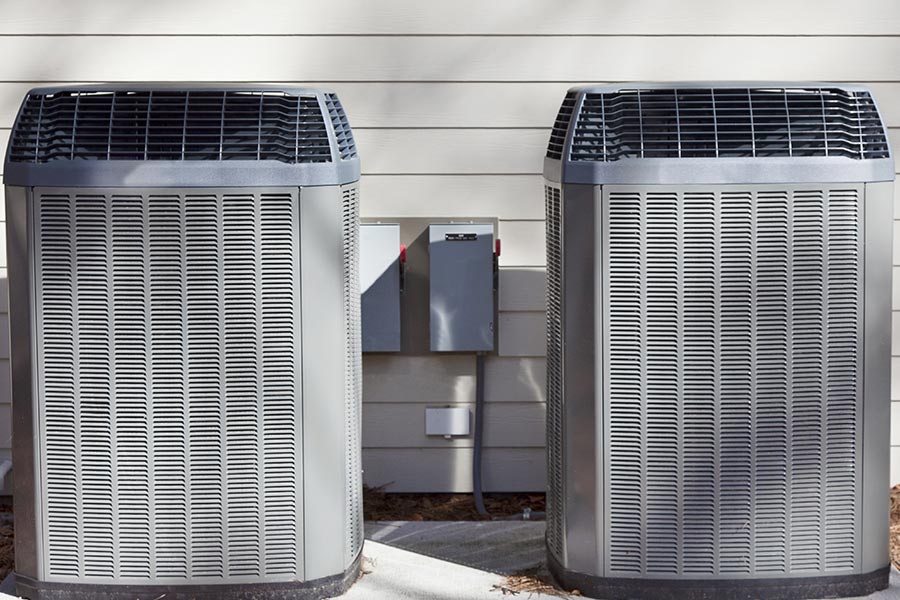
Did you know that upgrading to an energy-efficient heating system can cut your heating bill by up to 30%? It’s not just about swapping out your old furnace—numerous innovative solutions can help you save even more. From smart thermostats that learn your schedule to radiant floor heating that provides consistent warmth, the possibilities for maximizing savings are vast. But how do you decide which options are best for your home and budget? As you explore these choices, you’ll uncover tips and strategies that could transform your approach to home heating.
Upgrade to a High-Efficiency Furnace
Upgrading to a high-efficiency furnace can significantly reduce energy bills by utilizing advanced technology to convert more fuel into usable heat. These furnaces operate with an Annual Fuel Utilization Efficiency (AFUE) rating of 90% or higher, meaning they convert at least 90% of the fuel into heat for your home, compared to older models that might hover around 70%. By selecting a high-efficiency unit, you’re optimizing your energy consumption, which directly translates to cost savings and reduced environmental impact.
When you invest in a high-efficiency furnace, you’re cutting costs and contributing to a more sustainable future. These systems often incorporate variable speed blowers and two-stage gas valves, which adjust airflow and fuel use to meet your home’s heating demands more precisely. This ensures consistent temperatures and increased comfort without the wasteful energy spikes associated with less efficient models.
Moreover, high-efficiency furnaces often come with advanced filtration systems, improving indoor air quality. This mainly benefits those you serve, promoting a healthier living environment. Considering this upgrade, weigh the long-term savings and environmental benefits against the initial investment, knowing your choice supports your household and community.
Install Smart Thermostat Technology
Integrating smart thermostat technology into your home heating system optimizes energy efficiency by automatically adjusting temperatures based on your schedule and preferences. This technology teaches your habits, minimizing energy waste when you’re not home and ensuring comfort when you are. Using motion sensors and geofencing, smart thermostats detect when a space is occupied and adjust settings accordingly, reducing unnecessary heating.
Consider the quantifiable benefits: Smart thermostats can save you up to 10-15% on heating costs annually. They allow you to monitor and control your home’s climate remotely via smartphone apps, offering both convenience and real-time data on your energy usage. This empowers you to make informed decisions about reducing your carbon footprint.
Furthermore, integration with other smart home devices enhances the functionality of smart thermostats. For instance, combining them with smart vents can optimize airflow, ensuring even temperature distribution throughout your home. This interconnectedness improves efficiency and provides you with a seamless home automation experience.
Seal and Insulate Your Home
Properly sealing and insulating your home greatly enhances energy efficiency by minimizing heat loss and maintaining a stable indoor temperature. Addressing gaps and cracks in your home’s structure prevents heated air from escaping and cold air from infiltrating. Start by inspecting common leakage areas such as windows, doors, and attics. Use weatherstripping and caulk for windows and doors to seal any drafty spots effectively. For attics, focus on insulating the floor, which acts as a thermal barrier between living spaces and the unconditioned attic.
Selecting the appropriate insulation material is essential. Fiberglass, foam board, and cellulose are popular options, each offering unique benefits. Fiberglass is cost-effective and easy to install, while foam board provides higher insulating power per inch. Cellulose, made from recycled paper, is an eco-friendly choice. Assess your needs and budget to determine which material suits your home best.
Opt for Radiant Floor Heating
Radiant floor heating systems efficiently distribute warmth by circulating heated water or electric currents beneath your flooring, offering consistent and comfortable heat. This method reduces energy consumption compared to traditional forced-air systems, as it eliminates duct losses and heats spaces more uniformly. Warming the floor directly creates a cozy environment that’s especially beneficial for those serving others, like families or community organizations, seeking comfort and efficiency.
When you adopt radiant floor heating, you can choose between hydronic or electric systems. Hydronic systems use heated water and are ideal for larger areas, providing cost-effective heating over time. Electric systems are easier to install and more suited for smaller spaces or supplementary heating, as they can incur higher operational costs. Installation requires careful planning, as it’s most effective in well-insulated homes, ensuring peak performance and energy savings.
Consider the type of flooring in your space, as materials like tile and stone conduct heat more effectively than carpet. Investing in radiant floor heating will enhance comfort and reduce carbon footprint, aligning with values focused on serving others and the environment.
Utilize Heat Pump Systems
Heat pump systems efficiently transfer heat from the air, ground, or water to provide heating and cooling solutions, making them a
n excellent choice for energy-conscious homeowners. These systems can drastically reduce energy consumption by leveraging the natural heat available in your environment. You’ll find that the key to their efficiency lies in their ability to move heat rather than generate it, thereby offering an impressive coefficient of performance (COP) compared to traditional heaters.
When selecting a heat pump, consider the type that best suits your environmental conditions: air-source, ground-source (geothermal), or water-source. Air-source heat pumps are generally more affordable and easier to install, though they may lose efficiency in extreme temperatures. While more costly upfront, ground and water-source heat pumps provide consistent performance and can deliver significant savings in the long run.
Maintenance is essential for maximizing efficiency and lifespan. Regularly clean or replace filters and ensure outdoor units are debris-free. By investing in a heat pump system, you’re not only optimizing energy use but also contributing to a sustainable future, benefiting both your household and the broader community you serve.
Leverage Solar Heating Solutions
Solar heating solutions offer a sustainable way to harness the sun’s energy for residential and commercial heating needs, significantly reducing reliance on fossil fuels. By installing solar thermal systems, you can convert sunlight into thermal energy, efficiently heating water or air for your building. This decreases energy bills and contributes to environmental sustainability by minimizing carbon emissions.
There are two primary types of solar heating: active and passive. Active solar heating uses mechanical equipment, such as pumps and fans, to circulate the heat-transfer fluid. This system is highly effective for space heating and delivering hot water. Passive solar heating, on the other hand, doesn’t depend on mechanical systems. Instead, it incorporates building design elements like large south-facing windows and thermal mass to capture and distribute solar energy naturally.
To maximize benefits, consider integrating solar heating with existing systems. This hybrid approach guarantees a reliable heat supply even on cloudy days or during peak demand. Additionally, solar heating systems often qualify for tax incentives and rebates, enhancing cost-effectiveness. By choosing solar heating solutions, you invest in a cleaner future while providing efficient energy service to your community.
Implement Zone Heating Controls
Implementing zone heating controls allows you to optimize energy use by precisely regulating temperature settings in different areas of your building. By doing so, you can guarantee that only occupied spaces are heated to comfortable levels while unoccupied or less-used areas remain at reduced settings. This targeted approach maximizes comfort and greatly reduces energy waste, aligning with your commitment to serving others by conserving resources.
Consider installing programmable thermostats or smart heating systems to implement zone heating effectively. These devices enable you to set specific temperature schedules, adjusting the heating output based on occupancy patterns and time of day. For instance, you can automatically lower the heat in common areas during off-peak hours, conserving energy when unnecessary.
Additionally, integrating advanced sensors can enhance zonal control. These sensors detect occupancy and adjust temperatures in real-time, ensuring that spaces are heated only when necessary. As a result, you can achieve a precise balance between energy efficiency and occupant comfort. By adopting zone heating controls, you contribute to environmental sustainability while reducing operational costs, ultimately allowing you to allocate more resources toward serving others effectively.
Invest in Energy Star Appliances
Consider enhancing your building’s energy efficiency further by investing in Energy Star appliances. These appliances are designed to consume less energy without compromising performance. They utilize advanced technologies to meet strict energy efficiency guidelines set by the U.S. Environmental Protection Agency. By choosing Energy Star-certified products, you’re reducing your energy bills and contributing to environmental protection efforts.
Energy Star appliances encompass many products, including furnaces, boilers, and heat pumps. Each of these is engineered to operate effectively while using less energy. For instance, an Energy Star-certified furnace can be up to 15% more efficient than a standard model, lowering your heating costs over time. These appliances often have enhanced features that improve overall system reliability and longevity.
When you select Energy Star appliances, you strategically decide to balance cost savings with sustainability. This choice directly impacts reducing greenhouse gas emissions, aligning with a broader goal of serving the community and future generations by preserving the environment. Investing in these appliances is a prudent step towards achieving long-term savings and fostering a healthier planet.
Explore Geothermal Heating Options
Geothermal heating systems offer a sustainable and efficient way to heat your home by utilizing the earth’s constant temperature to transfer heat. You can leverage the stable underground temperatures to provide consistent heating by installing a geothermal heat pump. This system circulates a water-based solution through a series of pipes buried in the ground, effectively absorbing the earth’s natural warmth and delivering it into your home.
When you choose geothermal heating, you’re not just reducing your carbon footprint but also committing to long-term cost savings. While the initial installation can be more costly than traditional systems, geothermal units typically offer a return on investment within 5 to 10 years due to lower operating costs. They require less electricity since they move heat rather than generate it.
Moreover, geothermal systems are known for their durability and longevity, often lasting 20-25 years for the indoor components and over 50 years for the ground loop. Investing in geothermal technology aligns with sustainable practices if you’re passionate about serving others and the environment. This option benefits your household and contributes positively to the planet’s health, reinforcing your commitment to responsible energy consumption.
Regular Maintenance and Tune-Ups
To guarantee your heating system operates efficiently and extends its lifespan, schedule regular maintenance and tune-ups to address potential issues early. Doing so will ensure peak performance, reduce energy consumption, and minimize the risk of unexpected breakdowns during critical periods. A well-maintained system saves energy and provides consistent comfort for those you aim to serve.
Begin by checking filters monthly and replacing them as needed. Clean filters improve airflow, enhancing efficiency and air quality. Inspecting and cleaning the heat exchanger and burners ensures they’re free from dirt and corrosion, which can hinder performance. Additionally, lubricate moving parts to prevent wear and tear.
Monitoring thermostat settings is essential. Calibrate it to ensure accurate temperature readings, which prevents unnecessary energy use. Examine the system’s belts and pulleys for signs of wear, replacing them as necessary to avoid potential mechanical failures.

Conclusion
By adopting these energy-efficient heating solutions, you’re not just cutting costs but investing in a sustainable future. Isn’t it time to take control of your energy bills? Upgrading to a high-efficiency furnace, sealing your home, and using smart thermostats can drastically reduce expenses. Consider the benefits of radiant floor heating, heat pumps, and Energy Star appliances. Regular maintenance guarantees peak performance. With these strategies, you’ll enjoy comfort, savings, and environmental responsibility.