
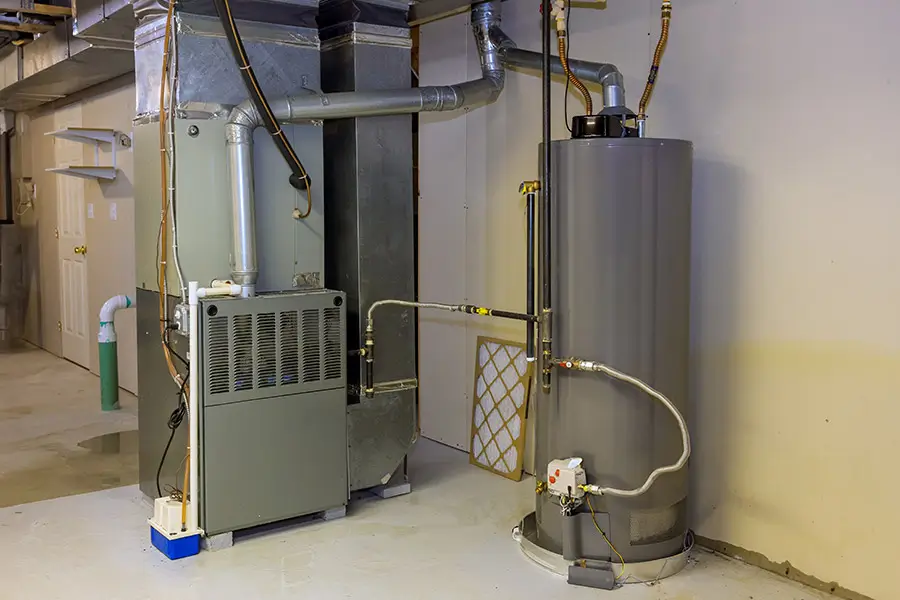
When faced with an emergency water heater replacement, your first step is to assess the situation calmly. You must check for visible damage and test the water temperature to pinpoint the issue. Don’t forget to turn off the utilities for safety before you drain the tank. But how do you choose the correct replacement? And what’s the best way to guarantee a smooth installation process? With so many options available, making the right decision can be overwhelming. Discover the key steps, from evaluating energy efficiency to selecting a licensed professional for installation.
Assess the Situation
Begin by immediately evaluating the water heater’s condition to determine if repair or replacement is necessary. Check for visible signs of damage, such as leaks, rust, or unusual noises. These indicators can suggest the unit is nearing the end of its lifespan. Test the water temperature to verify it’s heating efficiently; inconsistent temperatures may signal internal issues. Inspect the age of the water heater; typically, units over 10 years old may require replacement rather than repair.
Next, assess the heater’s location. Confirm it’s safely positioned to prevent water damage to surrounding areas in case of a failure. Review the energy efficiency ratings; old models often consume more power, impacting utility costs. Consider the water heater’s capacity. It might be time for an upgrade if it’s inadequate for the household’s needs.
Document your findings meticulously to inform your next steps. This detailed assessment will help you make a well-informed decision and confirm that the solution effectively caters to the needs of those you serve. By methodically evaluating each aspect, you prepare to proceed with the most suitable and efficient course of action for any water heater scenario.
Determine the Cause
To accurately determine the cause of the water heater’s malfunction, systematically inspect components such as the thermostat, heating elements, and pressure relief valve for faults or wear. Start with the thermostat; verify it’s set to the correct temperature and functioning properly. It could be faulty if it’s not adjusting correctly, leading to inconsistent water temperatures.
Next, examine the heating elements. These elements are essential for heating the water. Use a multimeter to measure electrical continuity. If the readings are off, the elements might be burned out or damaged, requiring replacement. Pay close attention to any signs of corrosion, which can also impair function.
Inspect the pressure relief valve to confirm it’s not leaking or stuck. This valve is critical for preventing excessive pressure buildup, which can be dangerous. If it’s malfunctioning, it may cause leaks or even lead to tank rupture.
Look for signs of sediment buildup at the bottom of the tank. Sediment can insulate water from the heating elements, reducing efficiency and causing overheating. Regular maintenance and flushing can prevent these issues. By identifying the root cause, you can take targeted action and guarantee efficient, reliable service for others.
Turn Off Utilities
Shut off the power supply to the water heater by flipping the circuit breaker or disconnecting the fuse to confirm safety during the replacement process. This step is vital as it prevents electrical hazards and guarantees you work in a safe environment. Locate the dedicated circuit breaker for electric water heaters in your home’s electrical panel and switch it off. If your system uses a fuse, remove it carefully. Always double-check that the power is off by using a non-contact voltage tester.
Next, turn off the water supply to the heater. Locate the cold water shut-off valve, typically found at the top of the unit, and turn it clockwise until it’s fully closed. This action prevents water from entering the tank while you work on replacing it.
If you’re dealing with a gas water heater, confirm you will turn off the gas supply. Find the gas shut-off valve, which is usually situated on the gas line leading to the heater, and turn it to the off position. This step is essential for preventing gas leaks and confirming a safe replacement process. Always verify that the gas supply is completely shut off before proceeding.
Drain the Water Heater
Once you’ve verified that both the power and water supplies are securely off, connect a garden hose to the drain valve at the bottom of the water heater to start the draining process. Confirm that the other end of the hose is directed to a safe drainage area, like an outdoor location or a floor drain. Open the drain valve, allowing the water to flow out. To facilitate smooth drainage, open a hot water tap in your home to let air into the system.
As you proceed, remember these key steps for a successful operation:
- Check the Hose Connection: Confirm the hose is tightly attached to prevent leaks that could cause water damage.
- Monitor Water Flow: Keep an eye on the water flow to confirm it’s steady and complete, avoiding any partial drainage that could leave sediment behind.
- Handle with Care: Be cautious of hot water and steam that could cause burns; wear safety gloves if necessary.
- Close the Valve When Finished: Securely close the drain valve once the tank is empty to prevent future leaks.
Your diligence in following these steps confirms safety and prepares the water heater for the next replacement phase.
Evaluate Replacement Options
When evaluating replacement options for your water heater, consider energy efficiency, capacity, and fuel type to guarantee the new unit meets your household’s needs. Energy efficiency is vital since it directly impacts your utility bills and environmental footprint. Look for models with high Energy Factor ratings or those that qualify for ENERGY STAR certification. These units can save you money over time and reduce energy consumption.
Capacity is another essential aspect. You must match the water heater’s output with your household’s hot water demands. Consider the number of people in your home and their typical water usage patterns. For instance, a family of four might require a unit with a 50-gallon capacity, while a smaller household could suffice with 30 gallons.
Fuel type significantly affects installation and operating costs. Common options include electric, natural gas, propane, and solar. Each has advantages, with gas heaters typically offering quicker recovery rates, while electric units often boast easier installation. Balance the initial cost with long-term savings to determine what’s most suitable for your situation.
Choose the Right Heater
Selecting the right water heater involves evaluating your home’s needs and understanding modern units’ technological advancements. To serve your family effectively, you must consider the following:
- Efficiency: Newer models offer superior energy efficiency, reducing utility bills and environmental footprints. Look for units with high Energy Factor (EF) ratings.
- Capacity: Consider your household’s hot water demands. Calculate the peak hour demand to guarantee the new heater provides sufficient capacity, avoiding cold showers during busy mornings.
- Type: Choose between tank and tankless models. Tankless heaters save space and provide endless hot water, which is ideal for larger families or those wanting on-demand heating. Traditional tanks can be more cost-effective upfront.
- Fuel Source: Determine whether gas, electric, solar, or hybrid models best suit your home’s infrastructure and sustainability goals. Each type has pros and cons, affecting installation costs and ongoing expenses.
Hire a Professional
Why should you hire a professional for your water heater installation? First, professionals guarantee compliance with local codes and safety standards, safeguarding your home and those you serve. Licensed technicians possess the expertise to handle complex installations, reducing the risk of future malfunctions. They can accurately assess your plumbing system’s needs and select the most suitable installation method, enhancing the water heater’s longevity and efficiency.
Attempting a DIY installation might seem economical but could lead to costly errors. Professionals can access specialized tools and equipment, guaranteeing each installation step is executed precisely. They can also identify and address potential issues, preventing them from escalating into major problems. Additionally, many manufacturers require professional installation to maintain warranty validity, offering you peace of mind and financial protection. If you’re in need of expert assistance, consider scheduling a professional water heater replacement with a licensed technician who understands local codes and safety standards.
Prepare for Installation
Before the professionals arrive for your water heater installation, verify the installation area is clear and accessible to streamline the process. Your preparedness facilitates the technician’s work and guarantees a timely restoration of hot water, which is vital for serving your household or those you assist. Here’s how you can effectively prepare:
- Clear the Pathway: Remove any obstacles or items blocking access to the water heater. This includes furniture, boxes, or stored items that might impede the technician’s movement. A clear path guarantees efficiency and safety.
- Ensure Proper Lighting: Adequate lighting is essential for precise installation work. Check that the area is well-lit, using additional portable lights if necessary. This helps the technician focus on the task without unnecessary strain.
- Inspect for Leaks: Before installation, check for any existing leaks or water damage around the area. Noticing these early can prevent further complications and inform the technicians as they plan the installation.
- Confirm Utility Shutoff: Know how to shut off water and power in the area. This knowledge is critical in emergencies and helps facilitate a smooth installation process.
Your attention to these details supports a successful installation, benefiting those you serve.
Oversee the Installation
During the installation, monitor the technicians closely to confirm they adhere to safety protocols and manufacturer guidelines. Verify they shut off water and electricity or gas supply before starting. This step prevents accidents and guarantees a safe working environment. Observe their handling of the water heater unit, ensuring it’s correctly positioned to avoid pinched or twisted connections that could lead to leaks.
Stay vigilant about the technicians’ adherence to manufacturer instructions, which play an essential role in proper operation and warranty validity. Ascertain they use the right tools and fittings, as incorrect equipment can cause damage or inefficiency. Pay attention to the water heater’s alignment; it must be level to function effectively and prevent excessive wear.
Watch for proper venting if your unit is gas-powered. Inadequate venting can lead to dangerous carbon monoxide buildup. They test all connections for leaks using appropriate methods, like soapy water or leak detectors. Finally, verify that the installation area remains tidy and debris-free, promoting safety and professionalism. Your involvement guarantees the installation meets technical standards and serves the occupants’ needs effectively and safely.
Conduct a Final Check
Perform a thorough inspection of the installation to confirm all components are securely attached and functioning correctly. As someone dedicated to serving others, I know ensuring the new water heater is installed safely and efficiently is vital. Begin by checking all the connections, especially the water and gas lines, ensuring they’re tight and leak-free. Confirm that the electrical connections are secure and properly insulated to prevent hazards.
Here’s a concise checklist to follow:
- Water Pressure: Verify that the water pressure is within the manufacturer’s recommended range. Too high or too low may cause operational issues.
- Temperature Settings: Set the thermostat to an ideal temperature, generally around 120°F, to prevent scalding and conserve energy.
- Venting System: Examine the venting system for any obstructions or leaks that might lead to dangerous gas exposure.
- Drain Valve: Test the drain valve to confirm it operates smoothly, which will be essential for future maintenance.
Your commitment to these final checks safeguards the installation and provides peace of mind to those relying on you. This attention to detail demonstrates your dedication to quality and safety in every job you undertake.

Conclusion
You’ve navigated the nuances of a necessary water heater replacement precisely and purposefully. You’ve guaranteed safety by evaluating and addressing any apparent damage, determining the cause, and diligently shutting off utilities. Draining diligently, exploring energy-efficient options, and employing experts exemplify expertise. Overseeing installation and conducting a thorough check confirms completion. Your commitment to careful consideration and competent contractors assures great gratification. With all steps successfully secured, your household’s hot water needs are reliably restored.